

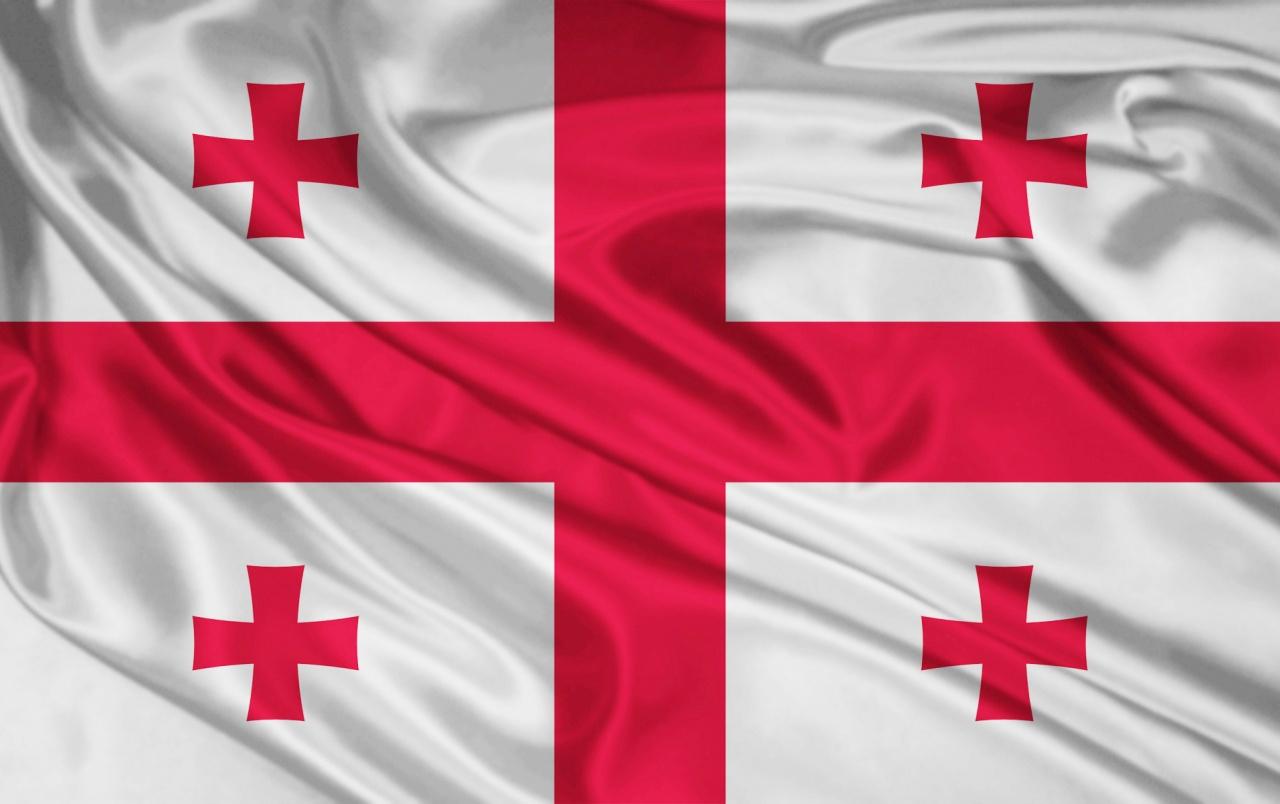
The UK Parliament’s Foreign Affairs Committee has released a report on disinformation that includes a critical assessment of developments in Georgia.
In it, the committee condemns the actions of the ruling Georgian Dream party, pointing to stalled progress toward European Union membership, increasing pressure on opposition groups, stricter controls on public demonstrations, and the growing use of disinformation. The report also draws comparisons between the party’s approach and that of Russia. Titled “Disinformation Diplomacy: How Malign Actors Are Seeking to Undermine Democracy,” the study portrays Georgia as a strategic battleground between Western powers and Russia in the Black Sea region.
The report argues that both the UK and the EU back the Georgian public’s desire for liberal democracy and closer ties with Western institutions, including eventual NATO and EU membership. In contrast, it says Russia is actively trying to block this trajectory and prevent Georgia from aligning with the West.
It further claims that Georgian Dream, in power since 2012, has strengthened its grip by sidelining political opponents, halting EU accession discussions, awarding major infrastructure contracts to Chinese firms, and amplifying narratives that favor Russia while criticizing the West.
The committee references statements by Georgia’s fifth president, Salome Zourabichvili, who accuses the government of limiting the work of NGOs, civil society groups, and independent media through measures resembling those used in Russia and Belarus. Among these is the controversial “foreign agents” law, requiring organizations that receive significant foreign funding to register under that label.
The report also highlights the influence of Bidzina Ivanishvili, widely seen as the country’s informal power broker. It describes him as a billionaire who built his wealth in post-Soviet Russia during the 1990s before returning to Georgia and becoming deeply involved in its political life.
According to the committee, Ivanishvili has promoted Kremlin-aligned narratives, including claims that Western countries aim to drag Georgia into the Russia–Ukraine war by opening a “second front” as part of a supposed “global war party.”
The report notes that in December 2024, the US Treasury’s Office of Foreign Assets Control accused Ivanishvili of undermining Georgia’s democratic and Euro-Atlantic direction in ways that benefit Russia. It also points out that in February 2025, the European Parliament passed a resolution urging EU member states to sanction him and freeze his assets. Additionally, the committee says it has sought clarification from the UK’s Foreign, Commonwealth & Development Office regarding support for Georgian civil society and the possibility of further sanctions.
In response, Minister Stephen Doughty stated that supporting independent media and civil society in Georgia remains a key priority for UK foreign policy, and that assistance to such groups is ongoing.
However, Zourabichvili argues that these efforts are not sufficient, adding that there is no coherent strategy in place to counter Russian influence and disinformation effectively.
In its conclusion, the committee voices serious concern about the decline of democratic standards in Georgia, warning that if current trends persist and Russian influence continues to grow, the country could drift toward an authoritarian system resembling Belarus. It endorses existing UK sanctions against officials linked to human rights abuses during protests and recommends expanding targeted sanctions to include those supporting the “foreign agents” law as well as individuals accused of spreading disinformation.

Comments
Leave a Reply
Your email address will not be published. Required fields are marked *