

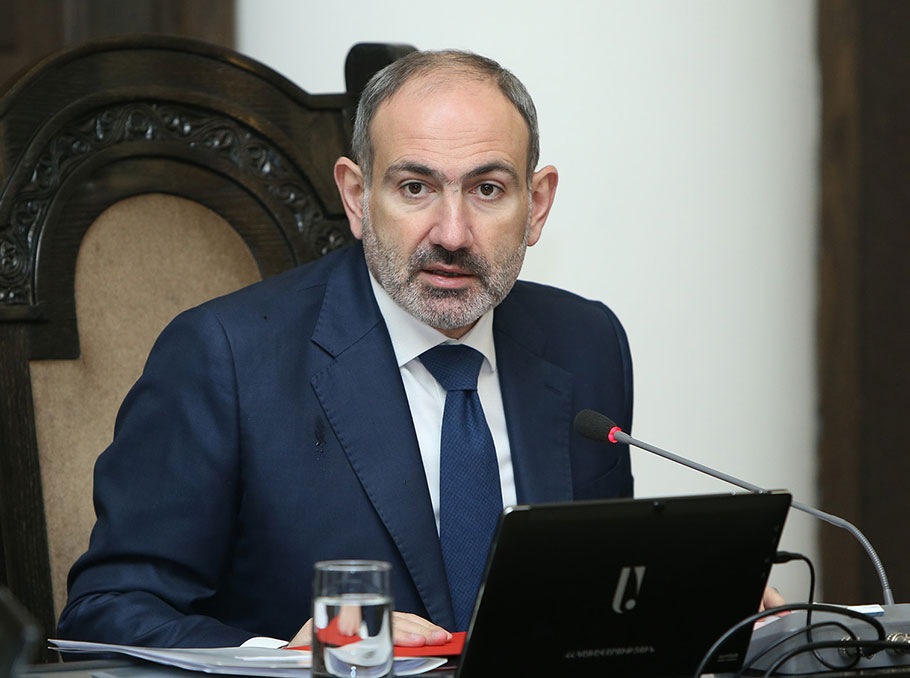
Armenian Prime Minister Nikol Pashinyan has described the European Union as Yerevan’s most dependable ally in consolidating democratic governance, while also detailing Yerevan’s shifting foreign policy direction, its outreach to Türkiye, and its continuing relationship with Russia.
During remarks at the Polish Institute of International Affairs in Warsaw, Pashinyan emphasized that engagement with the EU now sits at the heart of Armenia’s reform strategy and broader development goals. He said Brussels has played a tangible role since 2022 by supporting institutional reforms and deploying the EU Monitoring Mission, describing the bloc as a consistent and practical supporter of Armenia’s democratic transformation.
He pointed to the passage of legislation initiating Armenia’s EU accession process as a significant political milestone, framing it as a strong signal of the country’s long-term orientation and a motivating factor for continuing reforms.
According to Pashinyan, Armenia is interested in expanding cooperation with the EU not only in governance but also in areas such as economic modernization, infrastructure projects, and defense collaboration. He cited Armenia’s involvement in the European Peace Facility as a notable development in strengthening security ties with the bloc.
On relations with Türkiye, Pashinyan conveyed guarded optimism about ongoing normalization talks, including prospects for reopening the land border that has been shut since 1993. He described the dialogue with Ankara as constructive and ongoing, expressing hope that air traffic between the two countries will grow and that a political decision could soon enable the reopening of their shared border.
He underscored that Armenia has already completed the necessary infrastructure preparations and stands ready to facilitate transit, including freight routes linking Azerbaijan and Türkiye. From Yerevan’s perspective, he said, there are no technical impediments, and implementation could proceed immediately once Ankara gives its approval. He also mentioned that Armenia is considering possible EU assistance to further develop border infrastructure.
Regarding ties with Russia, Pashinyan made clear that Armenia is not seeking the withdrawal of the Russian military base in Gyumri, affirming that the two countries remain close partners with substantial economic and political connections. At the same time, he acknowledged that the bilateral relationship is undergoing adjustments, noting that Armenia has taken over full control of its border checkpoints, ending the long-standing presence of Russian border guards there.
He confirmed that Armenia has suspended its participation in the Collective Security Treaty Organization, citing dissatisfaction with the alliance’s response to Armenia’s security concerns in 2022. Pashinyan said Yerevan had expected a more robust reaction in line with the organization’s formal commitments.
Despite these grievances, he reiterated Armenia’s intention to preserve and recalibrate its partnership with Russia rather than sever it.
Addressing wider regional dynamics, including tensions between the United States and Iran, Pashinyan voiced concern about instability and stressed the importance of diplomacy. He noted that as a small country, Armenia can primarily advocate for dialogue and align itself with efforts aimed at maintaining regional stability.
Comments
Leave a Reply
Your email address will not be published. Required fields are marked *