

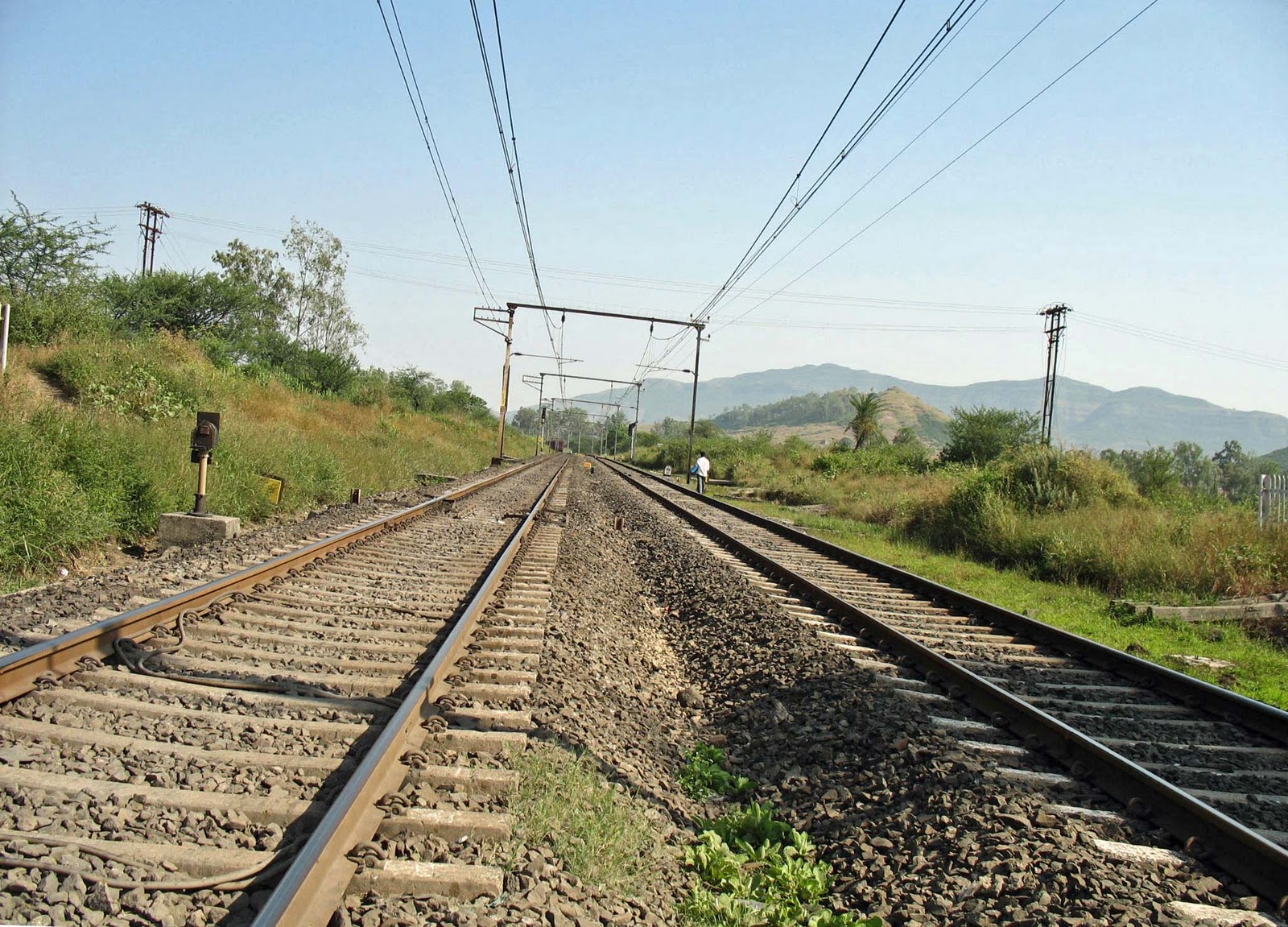
Russia will take part in rebuilding railway segments linking Armenia with Turkey and Azerbaijan, Russian Deputy Prime Minister Alexey Overchuk announced.
According to the newspaper Vedomosti, the initiative covers rail sections near the town of Yerask, close to the Azerbaijani border, and near the village of Akhuryan, near the Turkish border.
Overchuk said the move stems from trilateral agreements reached by the leaders of Armenia, Russia, and Azerbaijan, which call for reopening economic and transportation routes in the South Caucasus.
He added that Russia is prepared to begin detailed negotiations to determine the technical, financial, and other specifics needed to restore rail stretches of approximately 1.6 kilometers and 12.4 kilometers.
The deputy prime minister emphasized that reopening these routes would give Russia a direct rail link to the Nakhchivan Autonomous Republic, onward access to Turkish Mediterranean ports, and connections via Iran to ports on the Persian Gulf and the Indian Ocean.
Earlier, Russian Deputy Foreign Minister Mikhail Galuzin said Moscow should be involved in implementing the TRIPP project. He pointed to Armenia’s membership in the Eurasian Economic Union and noted that until 2038 the country’s railway system is operated by South Caucasus Railway, a subsidiary of Russian Railways.
“In these conditions, it is clear that our partners cannot do without Russia,” Galuzin stated.
In December, Prime Minister Nikol Pashinyan said he had asked Russian counterparts to urgently undertake a full reconstruction of the railway from Yerask to the Azerbaijani border toward Nakhchivan, as well as from Akhurik to the Turkish border. He added that he intended to raise the restoration of the Ijevan–Gazakh section in the near future, expressing hope that Russia would fulfill the request as effectively as possible.
At the same time, commenting on reports about Moscow’s role in TRIPP, Pashinyan underlined that the initiative is governed by a bilateral Armenia–U.S. agreement. He stressed that any involvement of third countries can be discussed strictly within that bilateral framework and declined to elaborate further.


Comments
Leave a Reply
Your email address will not be published. Required fields are marked *