

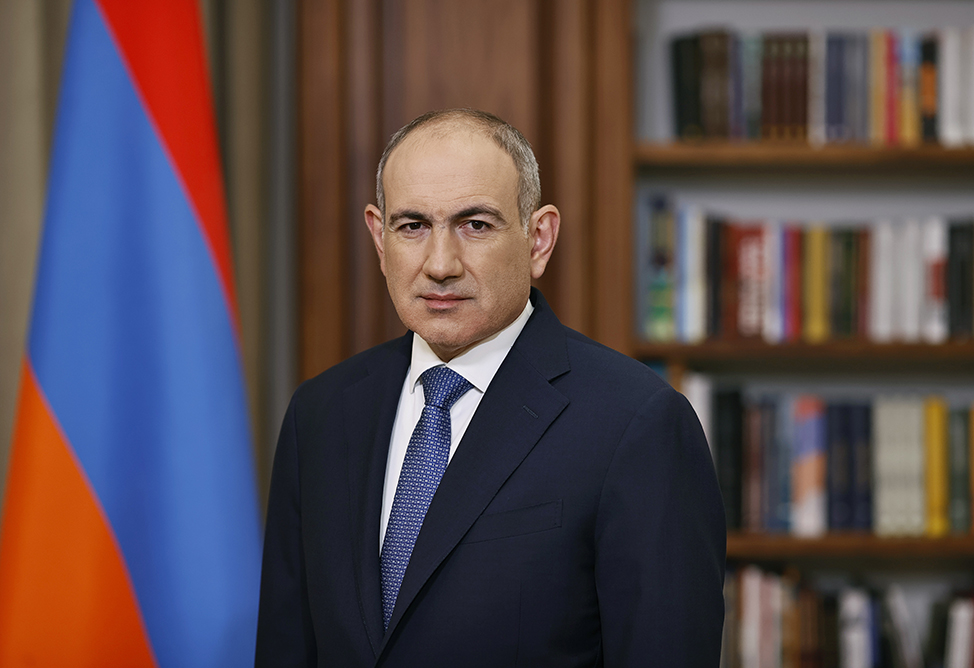
After years of strained relations, and following the recent meeting between Russian and Armenian leaders, Armenian Prime Minister Nikol Pashinyan has said Moscow -Yerevan ties were undergoing a “constructive transformation”.
Speaking at his regular Thursday briefing, Pashinyan said he views the developments in a positive light and emphasized that Armenia intends to stay committed to open, friendly dialogue moving forward. He also revealed that, in line with prior understandings, he expects to meet Putin again in the latter half of June.
At their recent talks, however, the two leaders were unable to resolve disagreements over Armenia’s railway system, which has been operated by Russia under a 30-year concession agreement signed in 2008. Afterward, Russian Deputy Prime Minister Aleksei Overchuk stated there was no clear justification for transferring the concession to another party. Armenia, by contrast, has argued that continued Russian control undermines its competitiveness, particularly regarding international transit routes. Earlier in February, Pashinyan floated the idea that a mutually friendly country - such as Kazakhstan - could potentially take over management rights.
He added that the railway matter might come up in upcoming discussions in Yerevan, where Kazakh officials had arrived for talks. At the same time, Pashinyan stressed that Armenia has no intention of acting covertly or in opposition to Russia, underscoring that, while channels for dialogue remain open, his government will continue engaging constructively.
Addressing energy concerns, Pashinyan also dismissed speculation about a possible rise in Russian gas prices, saying there are no grounds for such an increase given Armenia’s long-term agreements. The issue gained attention after Putin pointed out the substantial discount Armenia receives compared to European prices, noting that while Europe pays over $600 per 1,000 cubic meters, Armenia pays just $177.5.
Amid these discussions, some Armenian officials suggested that a price hike could prompt the country to withdraw from Russian-led blocs such as the Eurasian Economic Union and the Collective Security Treaty Organization, though they acknowledged such a scenario was unlikely. Reacting to these remarks, Russian Foreign Ministry spokesperson Maria Zakharova dismissed them with sarcasm, likening the threats to trying to intimidate a hedgehog—an analogy suggesting their futility. She declined to engage seriously with what she described as overly emotional rhetoric and instead reiterated that ensuring energy security ultimately falls on Armenia’s leadership.
Zakharova also pointed out that the issue comes at a time of instability in global gas markets, referencing disruptions linked to tensions involving the United States, Israel, and Iran.


Comments
Leave a Reply
Your email address will not be published. Required fields are marked *